
At Forbes Longevity Center, we guide individuals in building what we call a Longevity Sport Stack—a strategic combination of cardiovascular training, strength, mobility, and social engagement designed to support the heart, brain, muscles, and metabolic health over decades. If you are looking for the best sports for longevity, science provides clear direction—along with practical options that fit different lifestyles and fitness levels.
Why Some Sports Promote Longevity More Than Others
Not all physical activities deliver the same long-term benefits. Research, including findings from the Copenhagen City Heart Study and other large datasets, shows that the most longevity-supporting activities tend to combine:
- Cardiovascular conditioning (VO₂ max and endurance)
- Muscular strength and power
- Coordination and balance
- Cognitive engagement and reaction time
- Social interaction
- Long-term sustainability
These elements work together to reduce cardiovascular risk, preserve physical independence, and support cognitive resilience. The most important factor, however, is consistency—people benefit most from activities they can maintain over time.
The Best Sports for Longevity (Backed by Research)
Rather than focusing on a single “best” sport, it is more useful to understand which categories of movement deliver the greatest long-term benefit.
1. Racket Sports (Tennis, Pickleball, and Similar Activities)
Racket sports consistently rank among the top activities associated with increased life expectancy, with tennis frequently highlighted in long-term studies.
They are effective because they combine:
- Intermittent high-intensity cardiovascular effort
- Lateral movement that improves balance and coordination
- Fast decision-making that supports cognitive function
- Built-in social interaction that improves consistency
Pickleball, while newer, likely offers many of the same advantages due to similar movement patterns and its strong social component, making it an accessible option for many individuals.
2. Aerobic Endurance Activities (Walking, Running, Cycling)
Aerobic exercise remains foundational to longevity-focused heart health.
These activities:
- Improve VO₂ max, which is one of the strongest predictors of survival
- Support metabolic health and mitochondrial function
- Reduce blood pressure and cardiovascular risk
- Improve mood and cognitive clarity
Brisk walking is often underestimated but remains one of the most sustainable and effective tools for long-term cardiovascular health when performed consistently.
3. Swimming
Swimming provides cardiovascular conditioning while minimizing joint stress, making it especially valuable for individuals who need a low-impact option.
It is particularly beneficial for:
- Joint limitations or arthritis
- Recovery from orthopedic injuries
- Full-body endurance training without added strain
With access to pools and coastal environments, Tampa Bay supports year-round integration of swimming into a longevity-focused routine.
4. Cycling
Cycling offers strong cardiovascular benefits with less impact on the joints compared to running.
It is especially useful for:
- Building lower-body strength and endurance
- Sustained aerobic (Zone 2) training
- Individuals managing joint discomfort
5. Rowing and Kayaking
These activities combine aerobic demand with full-body strength, making them highly efficient for overall conditioning.
Benefits include:
- Simultaneous cardiovascular and muscular engagement
- Core strength development
- Time spent outdoors, which supports mental well-being
6. Strength Training: A Core Component of Longevity
While not always categorized as a sport, strength training is a critical component of any longevity-focused program.
At Forbes Longevity Center, we typically recommend resistance training multiple times per week based on individual needs.
Key benefits include:
- Preservation of muscle mass and prevention of age-related decline
- Improved bone density and reduced fracture risk
- Better metabolic health and insulin sensitivity
- Enhanced balance, stability, and fall prevention
Strength is one of the strongest predictors of long-term independence and should be considered essential.
The Longevity Sport Stack: A Smarter Approach
Rather than relying on a single activity, the most effective approach is to combine multiple types of movement into a structured weekly routine:
- Aerobic (Zone 2) training: 3–5 days per week
- Strength training: 2–4+ days per week
- Mobility and flexibility work: 2–3 days per week
- Higher-intensity intervals: 1–2 sessions per week
- Social or recreational activity: 1–2 times per week
This combination supports cardiovascular, metabolic, and musculoskeletal health while also improving cognitive engagement and long-term adherence.
How to Choose the Right Activity for You

The best sport for longevity is not just about intensity—it is about what aligns with your physiology and your lifestyle.
At Forbes Longevity Center, we evaluate:
- Cardiovascular fitness and aerobic capacity
- Body composition and metabolic markers
- Hormonal balance
- Joint health and mobility
- Injury history
- Stress levels and recovery capacity
- Cognitive and social preferences
In practice, the most effective plan is one that is sustainable, safe, and aligned with your individual health profile.
How Forbes Longevity Center Supports Your Long-Term Health
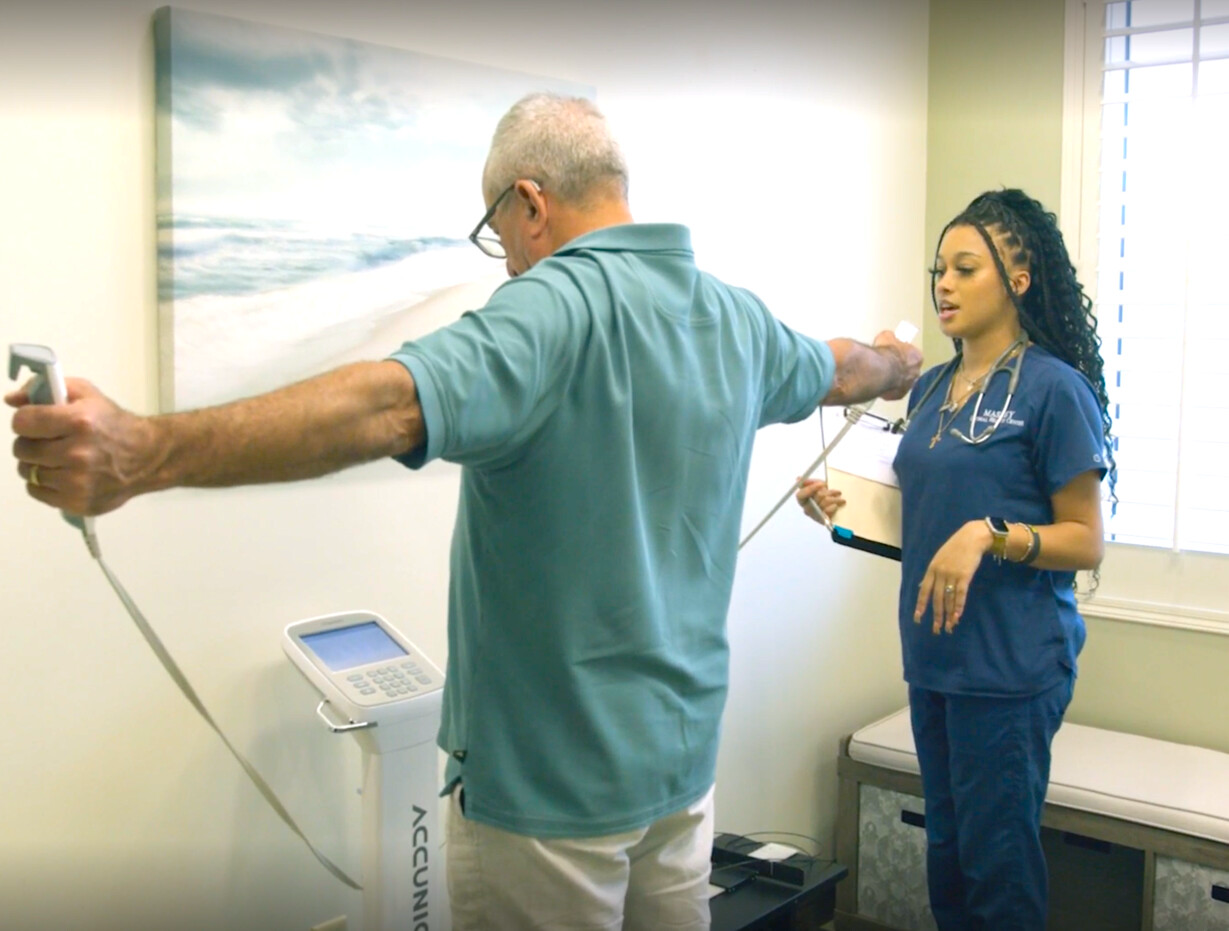
We use advanced diagnostics and personalized strategies to optimize both performance and longevity, including:
- Comprehensive Longevity Evaluation
- VO₂ max and cardiovascular testing
- Strength, balance, and mobility assessments
- Cognitive performance evaluation
- Hormone, metabolic, and inflammation analysis
- Personalized fitness and recovery planning
Our goal is to help you stay strong, active, and mentally sharp for decades—not just years.
Build a Stronger, Longer Life Through Movement
Movement remains one of the most powerful tools for extending both lifespan and healthspan. Whether you prefer racket sports, walking, swimming, cycling, or strength training, the key is building a balanced and sustainable approach.
At Forbes Longevity Center, we help you take the guesswork out of your health by creating a personalized Longevity Sport Stack designed to support long-term performance and well-being.
Schedule your Comprehensive Longevity Evaluation and take the next step toward a longer, healthier life.