But as the pounds come off, other questions deserve attention. Are you getting the nutrition your body needs? Are you maintaining muscle? Is your fitness improving along with your weight?
At Forbes Longevity Center in St. Petersburg, we look at these questions within the larger picture of your health. Our comprehensive evaluations bring together medical findings, body composition, nutrition, and physical fitness to help you understand your health and develop a personalized plan for the years ahead.
Understanding GLP-1 Weight Loss
GLP-1 is short for glucagon-like peptide-1, a hormone involved in blood sugar regulation and appetite. Medications such as semaglutide act on GLP-1 receptors to help regulate appetite and food intake. Tirzepatide, often included in the same conversation, acts on both GLP-1 and another hormone pathway called GIP.
For people with obesity, or overweight accompanied by certain health conditions, these medications can support substantial weight loss. Reducing excess weight may improve blood sugar, blood pressure, and other health measures. Results vary by medication and by person.
These are prescription treatments with potential side effects and medical limitations. Nausea, vomiting, diarrhea, and constipation are among the common side effects, and more serious complications can occur. The decision to use a medication should include a discussion with the prescribing clinician about your health history, other medications, expected benefits, and potential risks.
Whether you are considering medication or already taking it, planning for your nutritional needs and physical health is an important part of treatment.
What Is Changing Besides Your Weight?
A scale measures total body weight. It cannot distinguish fat loss from changes in muscle, fluid, and other tissues.
Weight loss can include a reduction in lean mass as well as body fat. Lean mass includes muscle, but it also includes water, organs, and other tissues. A decrease in lean mass does not automatically mean an equivalent amount of muscle has been lost or that strength has declined.
This distinction matters when discussing GLP-1 muscle loss. The useful questions extend beyond a single measurement: How is your body composition changing, and how well are you maintaining your physical abilities?
At Forbes Longevity Center, our body composition assessments, including DEXA Scan for bone density, provide information beyond what the scale shows. We can consider these findings alongside your medical history, nutrition, and fitness assessment to help guide recommendations.
Maintaining Muscle and Physical Fitness

Maintaining muscle during weight loss supports physical strength and helps your body regulate blood sugar. This deserves particular attention in older adults, who may already be experiencing age-related muscle loss.
Resistance exercise and adequate nutrition are important parts of supporting muscle during GLP-1 treatment. Eating more protein alone does not replace the need to challenge your muscles through appropriate exercise.
A joint advisory from the American College of Lifestyle Medicine, American Society for Nutrition, Obesity Medicine Association, and the Obesity Society recommends nutritional support and resistance training to help preserve muscle during GLP-1 treatment. It also recommends assessing muscle strength, function, and body composition.
The right exercise plan depends on your starting point. Someone who already exercises regularly may need different guidance than someone who has been inactive or has limitations affecting movement.
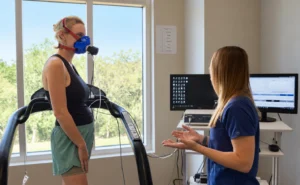
Our fitness assessment includes evaluation of aerobic capacity and body composition, along with an individualized exercise prescription. These findings help us develop recommendations suited to your current abilities and health goals.
Meeting Your Nutritional Needs with a Smaller Appetite
When appetite decreases, getting enough nourishment can take more planning. Smaller meals still need to provide adequate protein, vitamins, minerals, and other nutrients.
Side effects can complicate this further. If nausea, vomiting, or other symptoms interfere with eating or drinking, the prescribing clinician needs to know. Persistent or severe symptoms require medical assessment rather than simply trying to eat around them.
At Forbes Longevity Center, our nutritional evaluation examines your dietary intake and provides personalized recommendations. Reviewing your usual food intake can help us identify nutritional gaps and develop a practical eating plan.
The goal is an approach you can sustain as your appetite, activity level, and health needs change.
Planning for Weight Maintenance
Reaching a target weight is a milestone. Maintaining the health improvements requires an ongoing plan.
Appetite can return after medication is stopped, and weight regain is common. In the STEP 1 trial extension, participants who had taken semaglutide, a GLP-1 medication, regained about two-thirds of their previous weight loss, on average, during the year after the medication and structured lifestyle support were discontinued. Several improvements in metabolic health, including blood pressure and blood sugar measures, also moved back toward their starting levels.
This does not mean that everyone will have the same experience. It does show why GLP-1 weight loss should be approached with long-term care in mind.
Some people need ongoing medication to maintain its benefits. Nutrition, exercise, and other health habits remain important, but they do not guarantee that medication can be discontinued without weight regain. Your prescribing clinician can help you decide whether to continue, adjust, or stop medication based on your progress and health needs.
Our role is to help you understand the broader factors affecting your health and develop recommendations that support weight maintenance, physical fitness, and overall well-being.
How Forbes Longevity Center Can Help

Your weight is one piece of information. Understanding it alongside your other health findings can make recommendations more useful.
Our comprehensive health evaluation brings together physician assessment, laboratory testing, nutritional evaluation, body composition analysis, and fitness testing. Depending on your needs, these findings can help us address questions such as:
- What does your body composition reveal beyond your weight?
- Does your food intake support your nutritional needs?
- What type of exercise is appropriate for your current fitness?
- What do your blood sugar, cholesterol, and other medical findings reveal?
- Which changes deserve priority in your personalized health plan?
We review your results with you and explain how they fit together. This helps us identify which steps to prioritize and what to monitor over time, such as body composition, fitness, blood sugar, and cholesterol.
Build Your Plan for Lasting Health
If GLP-1 weight loss is helping you reach a healthier weight, this is also an opportunity to invest in the nutrition, strength, and fitness that support your future.
At Forbes Longevity Center, we want to understand what better health means in your daily life. That may include traveling comfortably, staying active with your family, continuing a favorite sport, or maintaining your independence.
Contact Forbes Longevity Center in St. Petersburg to schedule a comprehensive health evaluation. Together, we can review your health findings, discuss your goals, and develop a personalized plan.